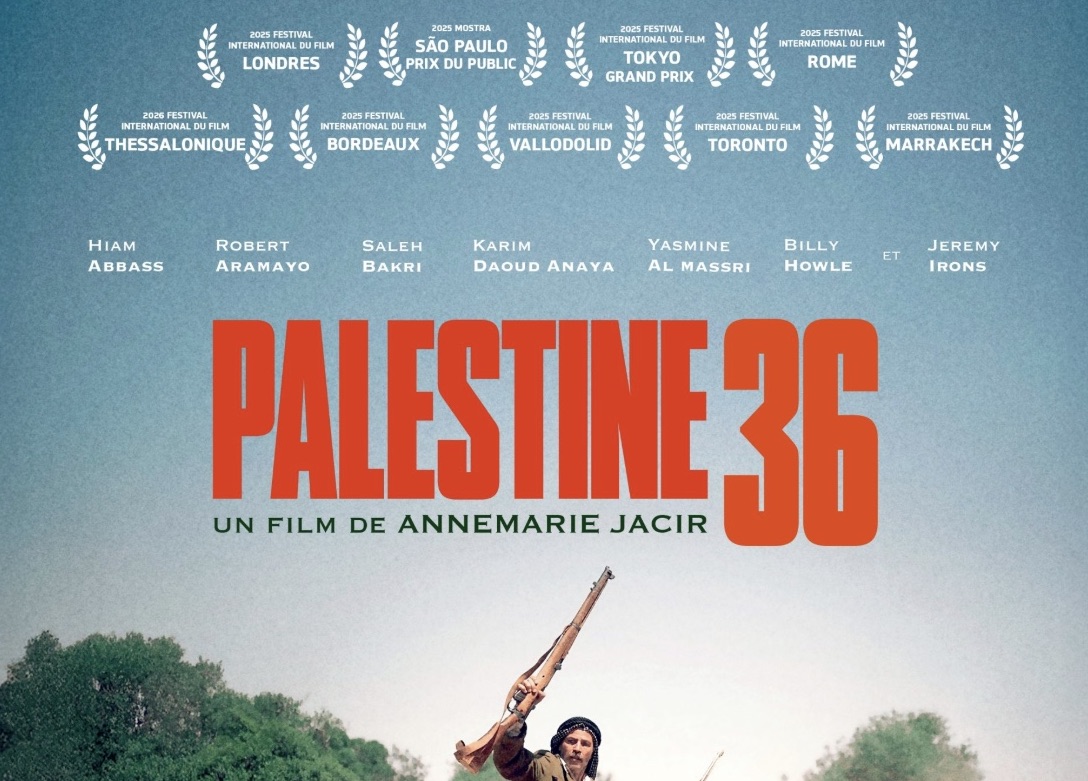


The film depicts the period in Palestine between 1936 and 1938, under British occupation, and how the villages rose up against British rule amid the growing influx of Jewish immigrants. The film thus chronicles a time when tensions between the two sides were escalating and when the political authorities sought to downplay Palestine’s economic and territorial significance.
Palestine, 1936. The Great Arab Revolt, aimed at establishing an independent state, was brewing while the territory was under British mandate.
Hélène:
And it all started off normally in late summer 2023. We had an intense but well-organized preparation period with Annemarie, whom I had worked with before: location scouting in Bethlehem, Jaffa, Jerusalem, and a village in the West Bank, and putting together the Palestinian, French, and British crew.
Everything was going well.
Then October 7, 2023, arrived, right in the middle of location scouting. It came as a shock, just four days before we were set to start filming. We thought we’d only be on standby for a few days, hoping that everything would return to normal.
As everyone knows, this temporary halt lasted weeks, even months.
And we had to “rebuild, rethink” the film entirely differently—and above all… elsewhere.
Jordan was considered as the new main filming location, with stops in Crete, Cyprus, or perhaps Greece. And we had to wait, wait.
So I was no longer available to resume pre-production and filming alongside Annemarie, despite our friendship.
Jeanne Lapoirie, AFC, came to shoot the train sequences in Jordan, and Sarah Blum took over pre-production and filming in the spring of 2024.
Sarah:
When I joined the project, filming had already been relocated to Jordan and was scheduled to last eight weeks in Jordan and if possible one week in Palestine.
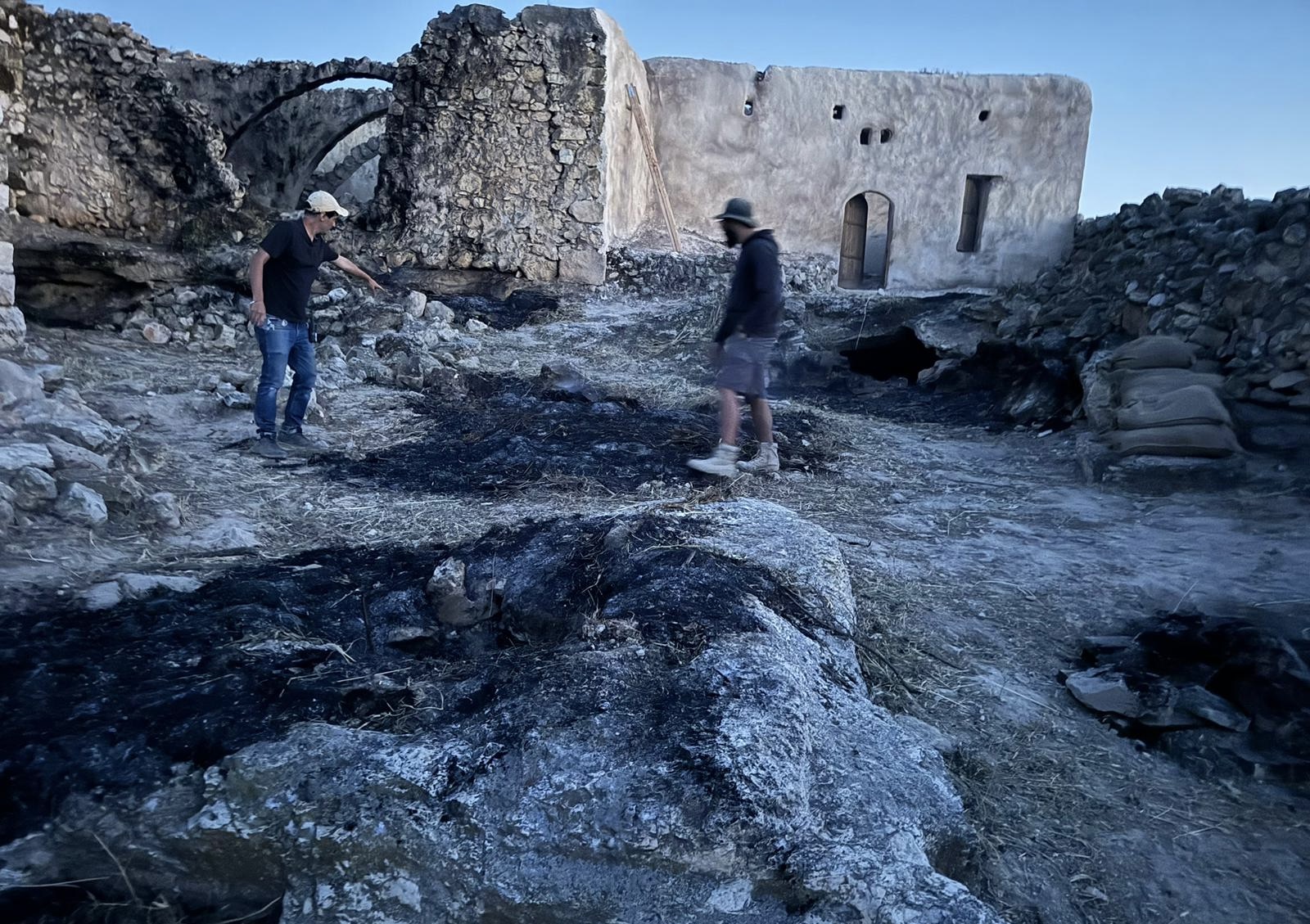
The village of Al Basma, central to the story, was rebuilt for the second time by the teams led by production designer Nael Kanj. The other locations were found around and within the capital Amman.
I met with Annemarie Jacir and her producer Ossama Bawardi via Zoom as a matter of the utmost urgency. I was moved by the power of the script, Annemarie’s cinematic vision, and the couple’s determination to see this project through to the end. The challenge seemed crazy, but I wanted to seize this opportunity. I had only four weeks to prepare for the shoot.
The days were packed, the pace frenetic.
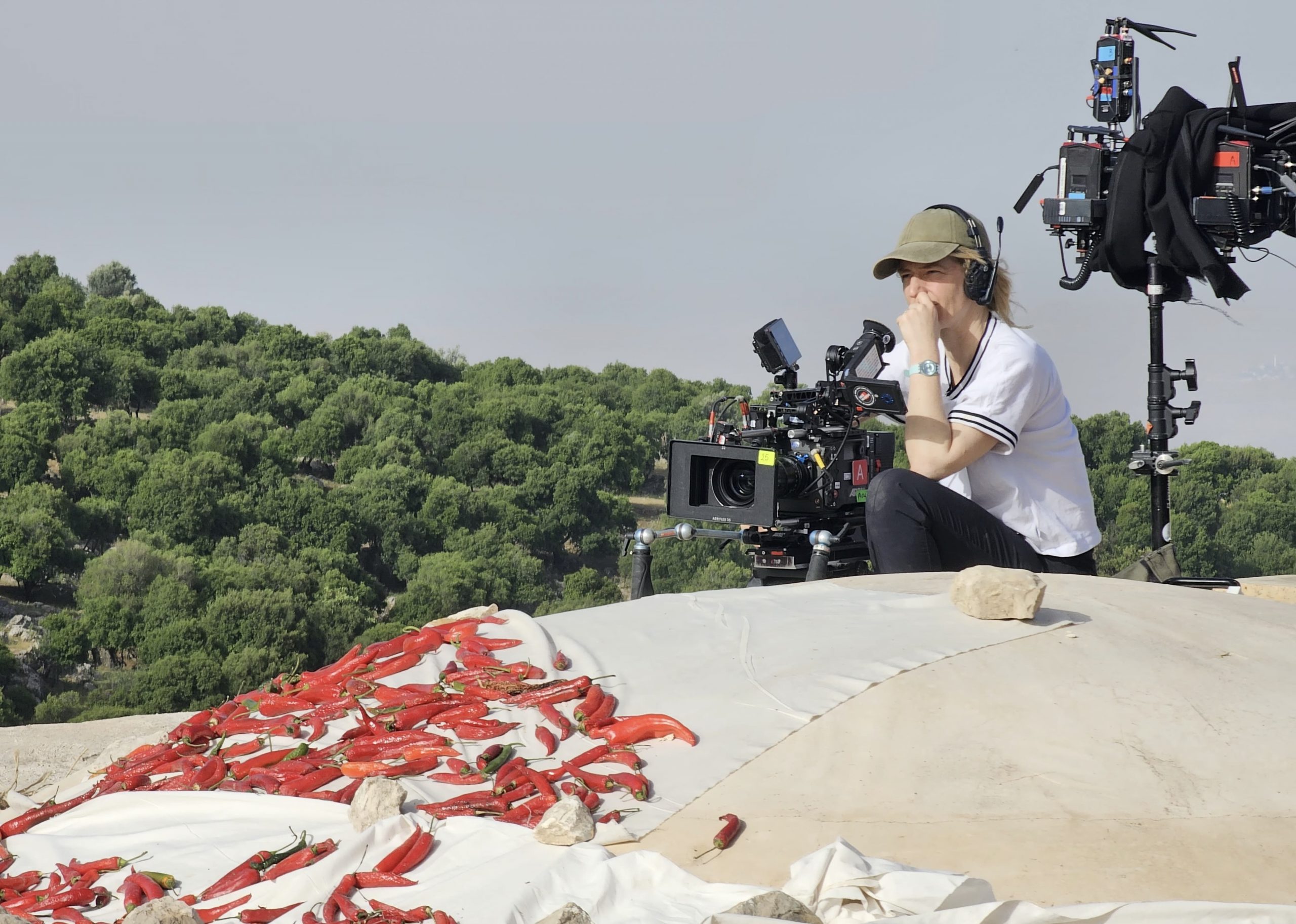
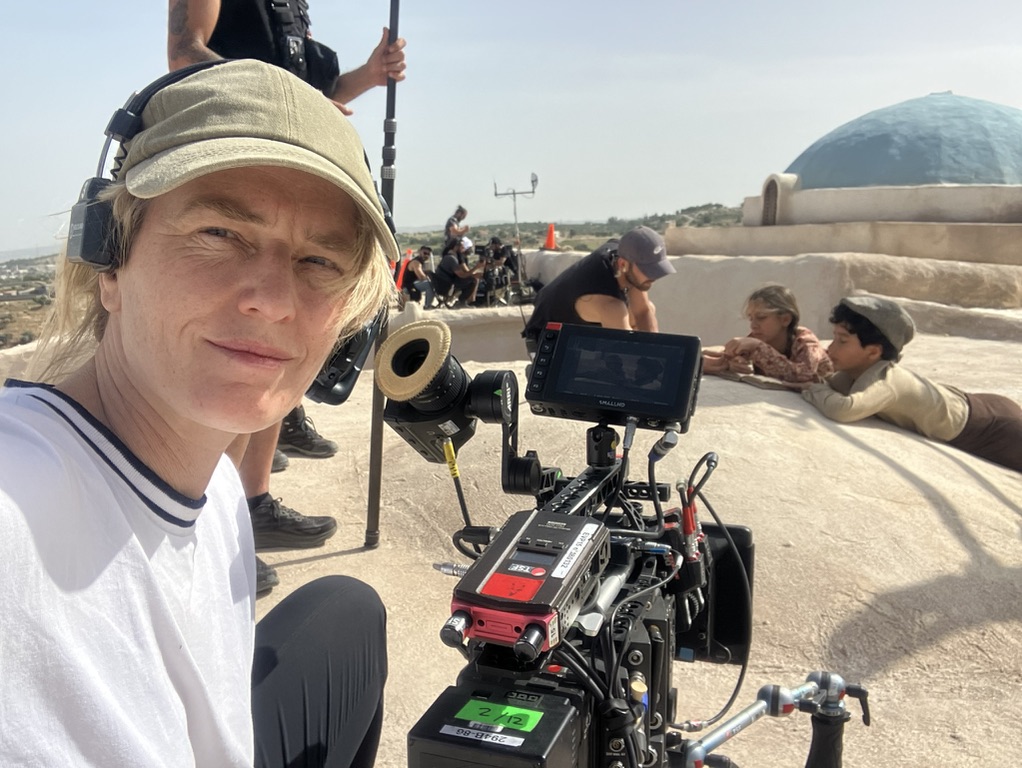
The camera list includes two Alexa 35s for a two-camera shoot. I decided to pair them with a set of Cooke S3 lenses. Their vintage look suited a period film, their softness would spare us the need for filters, the raw flares resonated with village life, and the compact design was perfect for the many handheld sequences planned. I added a few Cooke S4 lenses to cover the open gate, as well as two longer focal lengths, and I kept two Angénieux 27-76mm zooms (for the two-camera setup) that Jeanne Lapoirie had already used in the first shoot for the crowd scenes.
We created LUTs with Yannig Willmann. We needed to find a look that evoked the feel of analog film while remaining contemporary.
Shooting with multiple operators required creating harmony in the framing. Together with Mathieu Verdier, the Steadicam operator, we created a “framing bible”. This document was subsequently shared with all the operators.
I also conceived a visual style guide that outlines a few key points: defining the purpose of color usage (in collaboration with the Set Design and Costume departments), describing the lighting atmospheres, and how the different worlds would contrast visually. The seat of British power was to be marked by the color red, the bourgeois Atef house was to become a shiny and colorful world, the village, meanwhile, would be muted, in shades of ochre, green, and brown. The lighting for the village and countryside exteriors could include blazing sun and magical hours. In the interiors, we would let the chiaroscuro come to life and play with silhouettes against the light.
With Annemarie, we managed to break down a large portion of the sequences in advance, and we had all those involving VFX, SFX, stunt performers, or armory designed as storyboards.
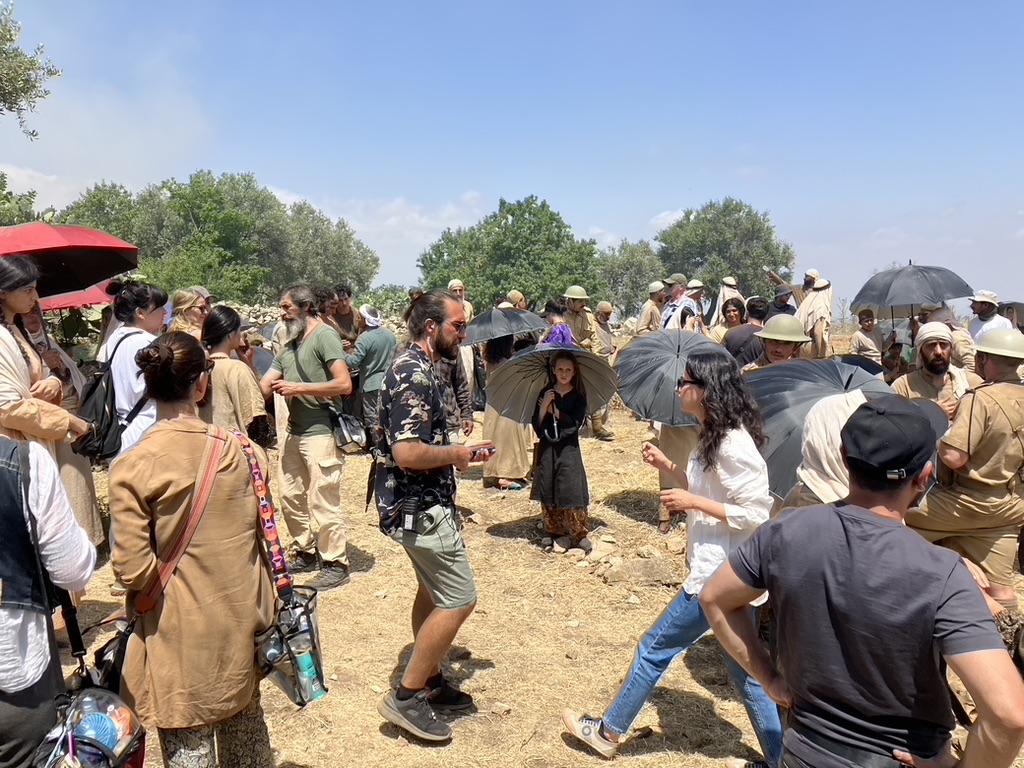
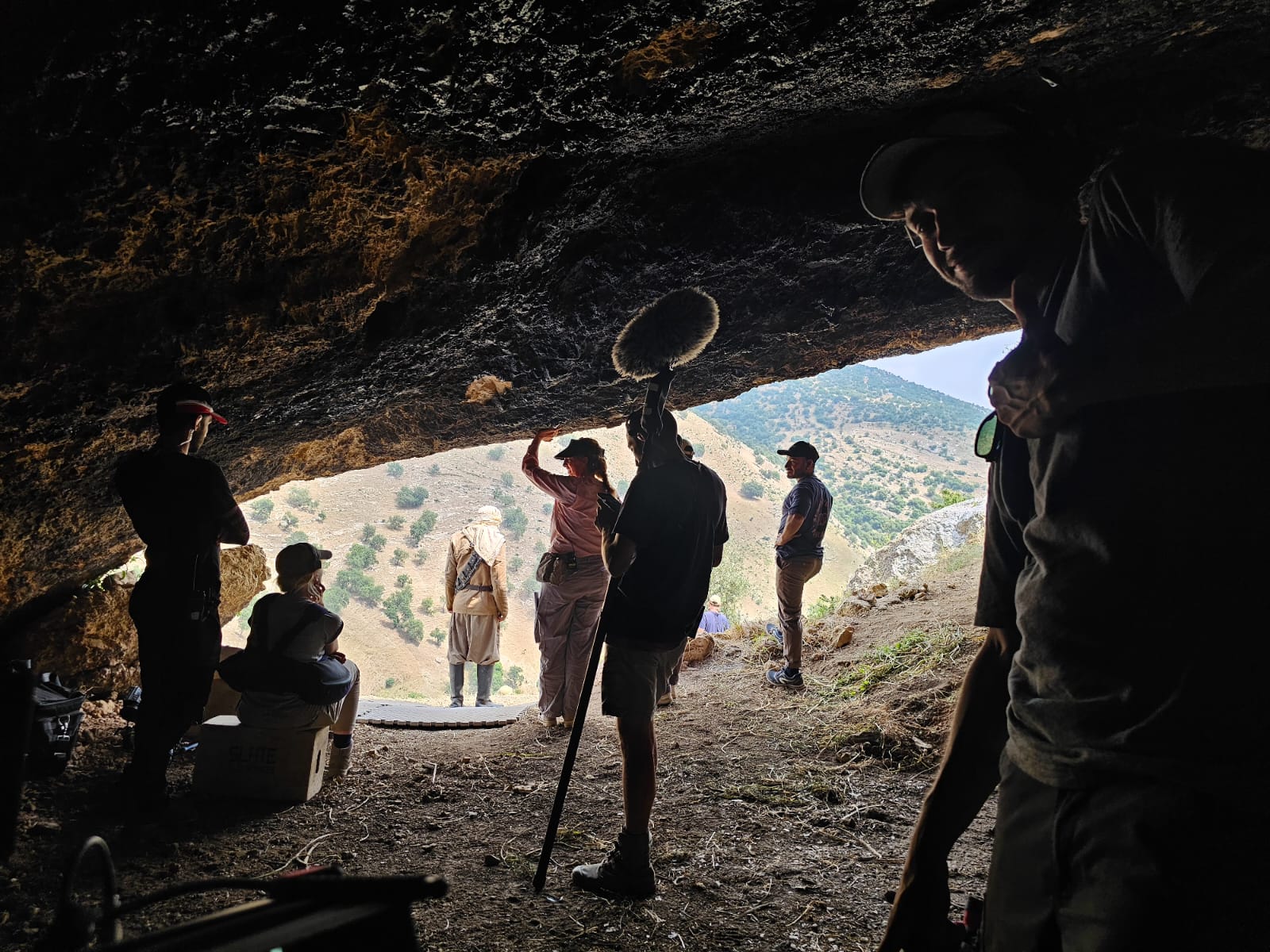
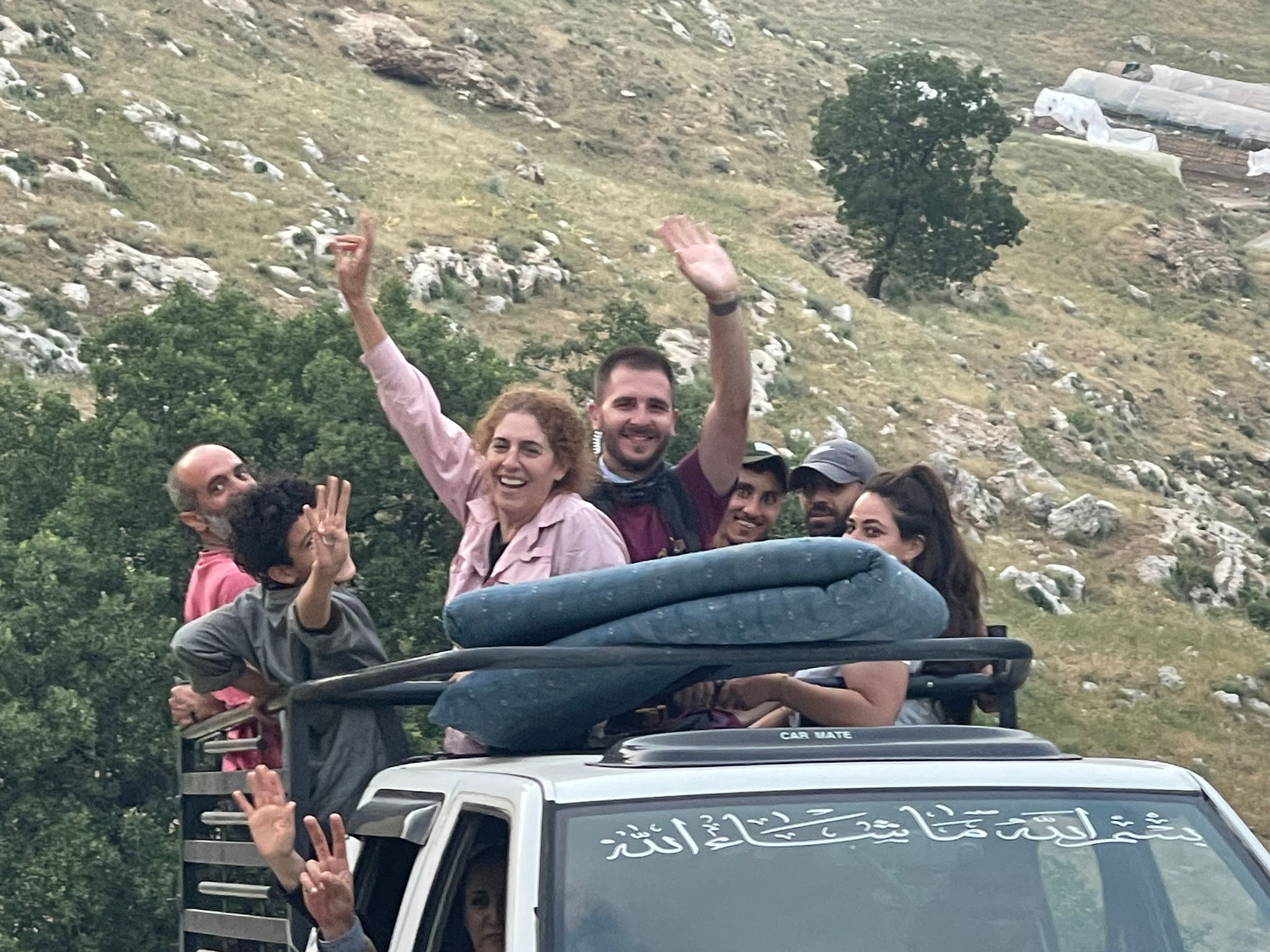
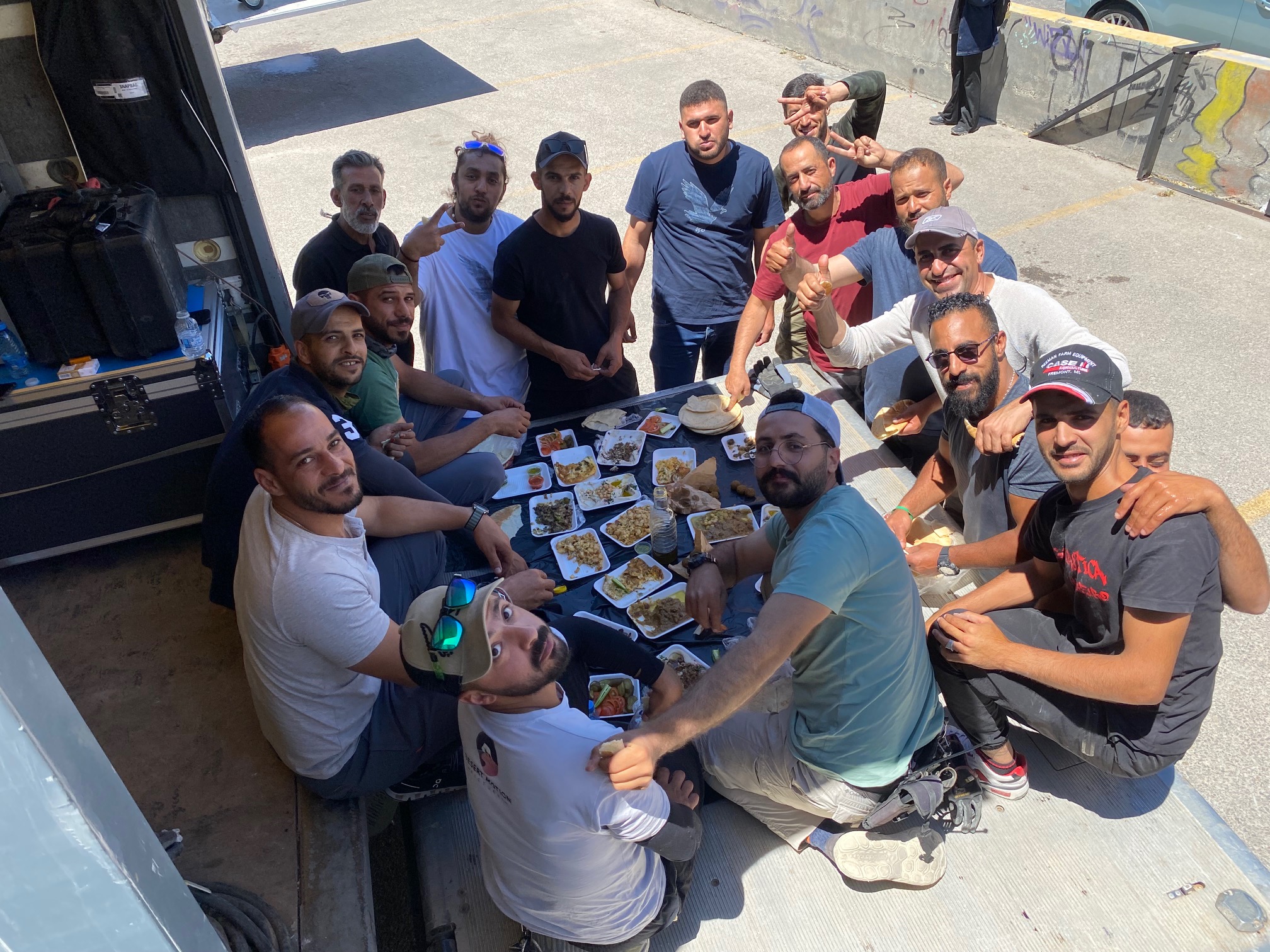
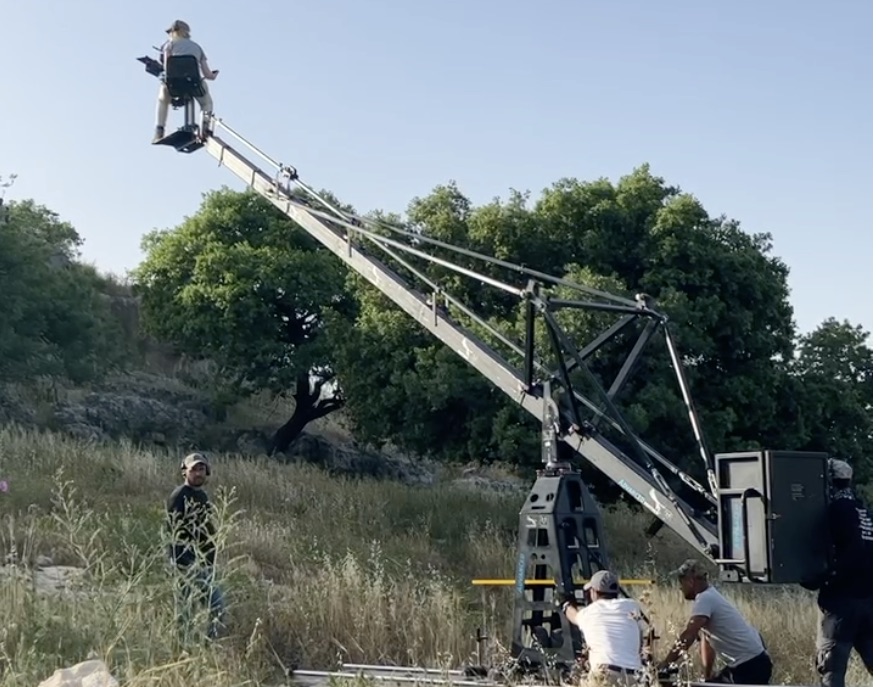
“It takes a village to make a movie”—that saying really rang true for this film. There are a lot of us on set. My camera crew alone consists of seventeen technicians, mostly Jordanians, who have been incredibly supportive.
The shooting days were long, and so were the weeks. A last-minute actor withdrawal and unforeseen circumstances related to the real-life war in the West Bank ended up extending our shooting schedule.
To keep the schedule as tight as possible, certain sequences and blocks were scheduled so closely together that we had to double the camera crew. That’s how Ossama and Annemarie came up with the idea of calling on Hélène again, who had some availability to dedicate to us.
Hélène:
I joined the team for three weeks to assist Sarah with pre-lighting and to shoot certain scenes. Then Sarah continued working with Tim Fleming, and Tim ultimately wrapped up the shoot. And then a fifth cinematographer, Leandro Monti, joined us in September 2024 to shoot the sequences of the reconstructed Jaffa Port in Haifa and in Jerusalem…
At Annemarie’s request, I handled the color grading, my task being to ensure visual consistency despite the five of us appearing on screen…
I would like to warmly thank everyone who believed in and continued to believe in the project, including the technicians and the various producers throughout this long period.
Hélène and Sarah:
And a special shout-out to Annemarie, who managed to “hang in there” despite the prevailing political uncertainty—and it’s safe to say that her ambitious film is a huge success.
published on the website of the AFC : https://www.afcinema.com/Palestine-36.html